

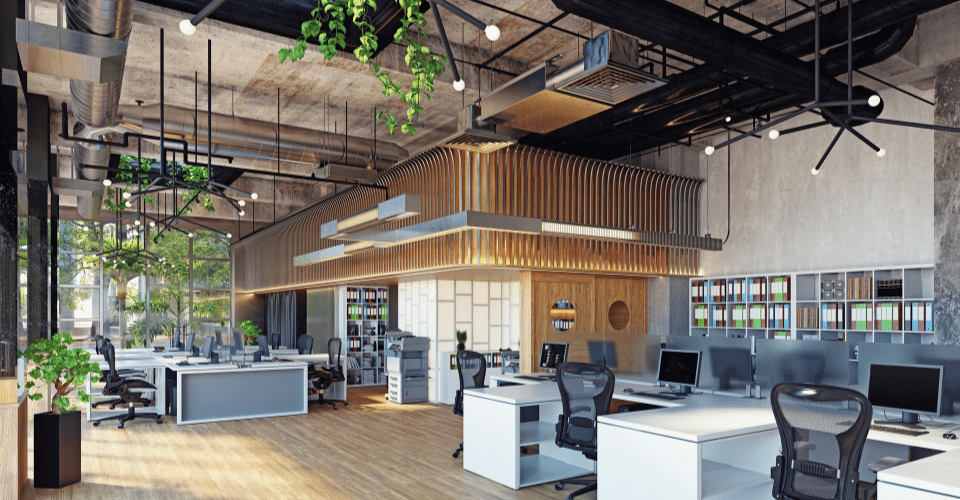
Recently, Metropolis magazine hosted a panel at HOK’s Culver City office to discuss the evolution of workplace design. Moderated by Avinash Rajagopal, the panel titled “Reshaping the Workplace” examined how elements from various sectors like hospitality, education, healthcare, retail, and gaming are merging into workplace environments.
What is “Space Fusion”?
The term “space fusion” refers to the blend of design strategies from different sectors to create more dynamic and culturally rich work environments. This trend has been influenced by hybrid concepts like “resimercial” (residential and commercial) and “corporatality” (corporate and hospitality), focusing on making workplace designs more people-centered and culturally attuned. Companies are now prioritizing practical and culturally resonant amenities over mere luxury to meet the evolving expectations of today’s workforce.
Technology Integration in Workplaces
The panel discussed the changing role of technology in workplace design:
- The shift away from integrating technology into furniture due to the rapid obsolescence of tech products.
- The importance of using technology to understand space usage through feedback and data, enhancing the functionality of workspaces.
- Streamlining processes with technology to make workplace interactions more efficient and flexible, supporting a more adaptable office environment.
Future Trends in Workplace Design
The discussion concluded with thoughts on future-proofing workplace design, emphasizing that true future-proofing is not about resisting change but facilitating continuous adaptation. The future workplace will likely focus more on spaces that enhance human interaction and emotional intelligence, supported by technology rather than dominated by it.
Continuous Learning and Adaptation
Education and continuous learning are expected to become more integrated into the workplace, reflecting the ongoing changes in the job market and the need for continuous skill development. Workplaces of the future may include spaces specifically designed for learning and collaboration.
Managing Constant Change
The panel highlighted the importance of viewing workplace design as an ongoing process that adapts to new challenges and technologies. Engaging with clients beyond the transaction to help them manage and adapt their spaces continuously will be crucial for businesses looking to stay relevant.
This panel discussion sheds light on how workplace design is becoming more about creating spaces that are not only functional but also culturally and technologically forward-thinking, responding to the diverse needs of the modern workforce.